
Ace seeds – Hokkaido Japan Hemp | Regular Hemp Seeds


Ace seeds – Hokkaido Japan Hemp | Regular Hemp Seeds
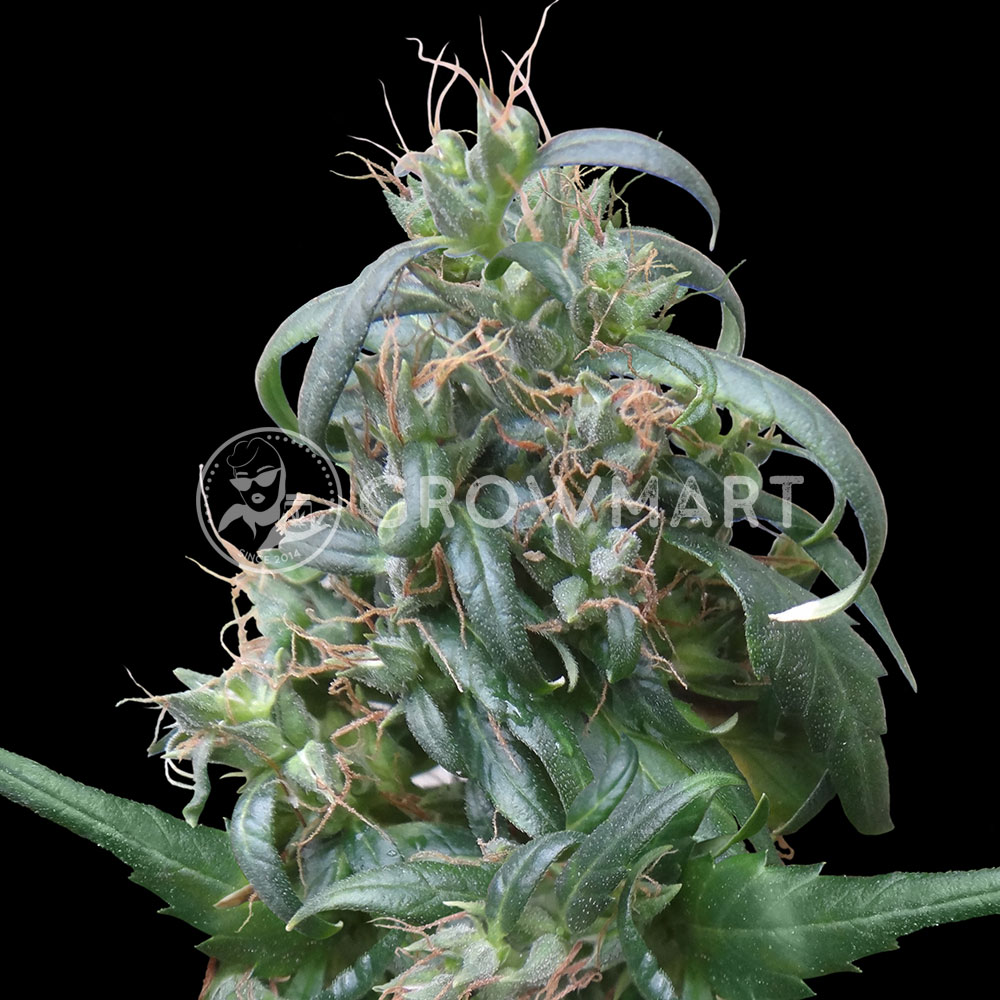
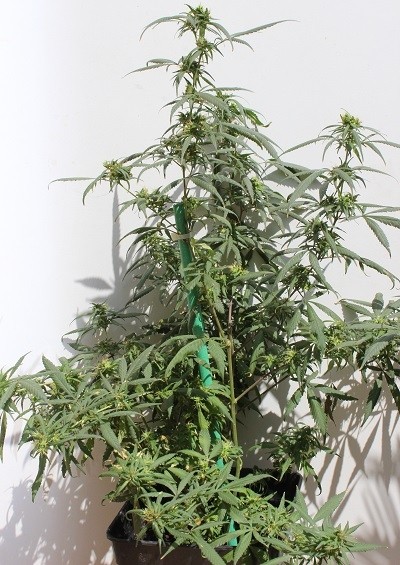
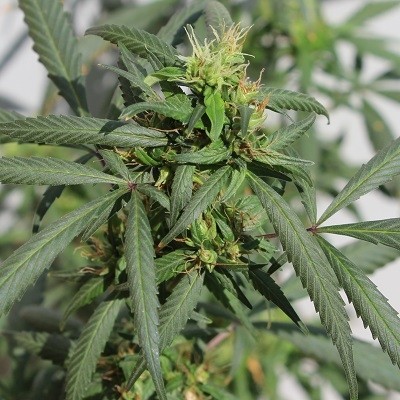
Hokkaido Japan Hemp is a rare and unique hemp hybrid originating from Japan, more specifically from the Hokkaido Islands. It is characterized by very fast flowering and low THC and CBD content.
11,6 € – 19,3 €Price range: 11,6 € through 19,3 €
Price including VAT, excluding shipping costs
Legal notice:
Seeds are offered for sale as collector’s items. Cultivating seeds is prohibited in numerous countries. Ensure you are aware of local regulations before making a purchase. By buying, you confirm that you are of legal age in your jurisdiction and understand the laws applicable to you. Additionally, you accept full responsibility and release Growmart from any liability if you choose to act against the laws in your area.
Hokkaido Japan Hemp from Seedbank ACE Seeds is a rare and unique hemp hybrid originating from Japan, more precisely from the Hokkaido Islands. It is characterized by very fast flowering and low THC and CBD content.
It has been used in Japanese culture for at least 10 000 years. Especially on the northern island of Hokkaido, a Japanese prefecture, hemp has been cultivated literally since time immemorial. Today, hemp is so widespread on this island that it even grows wild. The local authorities have to eradicate nearly a million plants every year….
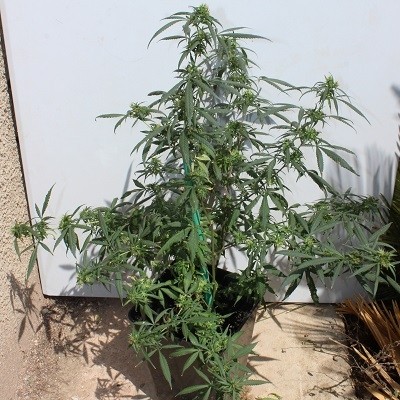
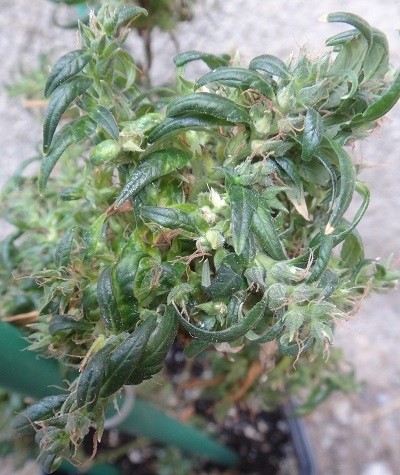
Hokkaido Japan Hemp most closely resembles the Chinese Yunnan phenotype, although Hokkaido has darker leaves, greater vigour, longer node spacing and more branching. This special marijuana from Hokkaido has semi-automatic properties, meaning that it begins flowering outdoors not long after the summer solstice. It has pointed buds that resemble sativas and flowers incredibly quickly (6 to 8 weeks).
There is no scientific or cultural evidence of psychoactive cannabis use in Japan. This does not mean that it can be completely ruled out. Because although cannabis is grown in this country it is mainly for textile purposes. Japan only started regulating high-THC cannabis after the Second World War. Cannabinoid analyses conducted on local hemp varieties (both home-grown and wild) over the last 2 decades confirm that Hokkaido hemp, while low in THC and CBD, is not zero, suggesting that traditional Hokkaido varieties were probably never deliberately selected to become purely industrial hemp.
Although this model does not have significant psychoactive or flavour characteristics, it is of great interest to breeders looking for a highly stable and fast maturing cannabis for mid-latitude (40°-45°). Moreover, it looks like this traditional variety of hemp will soon be completely eradicated, as the HIHA (Hokkaido Industrial Hemp Association) has recently signed an agreement with the French government to introduce new European varieties of hemp with very low THC content (less than 0,2 %).
| Weight | 0,01 kg |
|---|---|
| Seed type | |
| Medicinal cannabis | |
| Difficulty | |
| Growing method | |
| Harvest yield | |
| THC content | |
| CBD content | |
| Plant height | |
| Flowering time | |
| Genetics | |
| Effect | |
| Country of origin | |
| Competition winners | |
| Optimal indoor yield | |
| Optimal outdoor yield | |
| Seed bank |